Malaysia Travel Guide: Everything You Need to Know Before You Go
Malaysia offers one of Southeast Asia's most varied holidays within a single country — a modern capital city, beach islands, cool hill stations and a food scene shaped by Malay, Chinese and Indian influences, all connected by good roads and an efficient domestic flight network.
Here's everything you need to know before you go.
Best Time to Visit Malaysia
Malaysia is warm and humid year-round, but rainfall patterns vary by coast. The west coast (Kuala Lumpur, Penang, Langkawi) is generally driest from December to February, while the east coast experiences its monsoon during these same months, making it better visited between March and October.
If your trip focuses on Kuala Lumpur, Penang and Langkawi, December to February is a reliable window. If you're planning to include the east coast islands, March to October is a better fit.
Where to Go
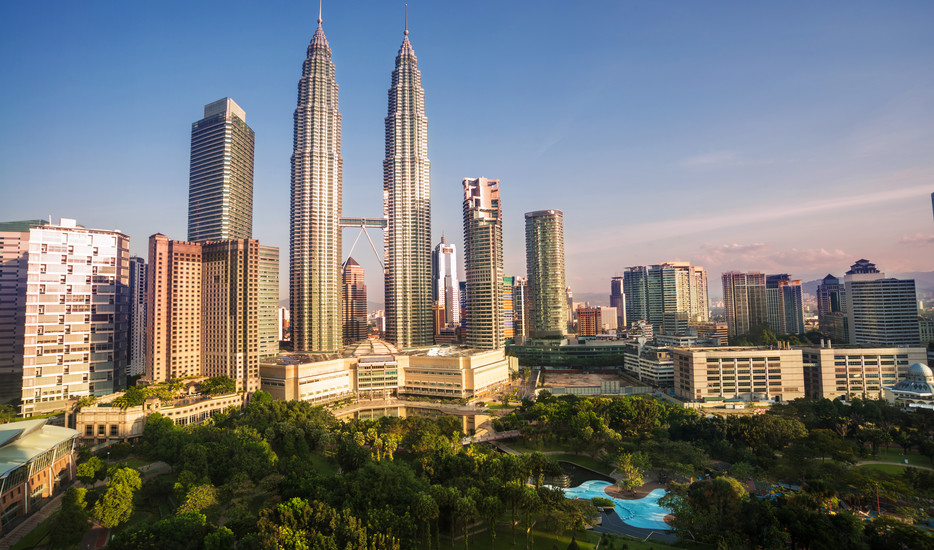
Kuala Lumpur is Malaysia's capital and the natural starting point for most trips — home to the Petronas Twin Towers, a strong street food scene, and easy day trips to nearby attractions.
Penang, particularly Georgetown, is Malaysia's food and heritage capital — a UNESCO World Heritage old town known for street art, colonial architecture and some of the best hawker food in the country.
Langkawi is Malaysia's most popular island destination, offering beaches, a cable car up Gunung Mat Cincang, and duty-free shopping.
The Cameron Highlands, a cooler hill station a few hours from Kuala Lumpur, is known for its tea plantations and strawberry farms.
A common route combines Kuala Lumpur with either Penang or Langkawi, with the Cameron Highlands added for travellers with more time.
Top Things to Do
Petronas Twin Towers — the observation deck and skybridge offer views across Kuala Lumpur's skyline; booking tickets in advance is worth it, as slots sell out.
Batu Caves — a limestone hill temple complex just outside Kuala Lumpur, reached via a colourful 272-step staircase.
Georgetown's street art and hawker food — a walking tour through Penang's old town, combining heritage architecture with some of Malaysia's best food stalls.
Langkawi Sky Bridge and cable car — a curved pedestrian bridge suspended near the summit of Gunung Mat Cincang, reached by cable car.
Cameron Highlands tea plantations — the BOH tea estate offers walking trails and views across rolling tea-covered hills, a cool contrast to the lowland heat.
A Few Practical Tips
Malaysia's toll highways and domestic flight network make getting between regions straightforward — AirAsia and Malaysia Airlines both operate frequent routes between Kuala Lumpur, Penang and Langkawi.
Dress modestly when visiting mosques and temples, and check specific entry requirements, as some sites have separate rules for non-Muslim visitors.
Malaysia's tap water is generally treated to safe standards in major cities, though bottled water remains the more common choice among travellers.
Ride-hailing apps like Grab are widely used and often more convenient than traditional taxis, particularly in Kuala Lumpur.
Planning Your Trip
Malaysia works well for travellers who want a mix of city, culture, food and beach time without needing to cross into multiple countries, and its good internal transport makes combining regions relatively easy.
At Mannhit Vacations, our Malaysia holiday packages are built around comfortable stays and a well-paced mix of Kuala Lumpur, island time and cultural sightseeing. Get in touch and we'll help you plan a Malaysia trip suited to what you want to see.
Ready to plan your trip?
Tell us where you'd like to go and we'll put together a custom holiday package for you.
Customize Your TripMore from the blog