North East India Travel Guide: Everything You Need to Know Before You Go
North East India remains one of the country's least-explored regions, and that's a large part of its appeal — living root bridges grown over centuries, Buddhist monasteries set against snow peaks, and national parks home to species found almost nowhere else, all with a noticeably different culture and pace from the rest of India.
Here's everything you need to know before you go.
Best Time to Visit North East India
October to April is generally the best window across most of the North East, with clear skies, comfortable temperatures and good visibility for mountain views. Meghalaya's living root bridges and waterfalls are especially striking just after the monsoon, in September and October.
The monsoon (June to September) brings very heavy rainfall to much of the region, particularly Meghalaya, which receives some of the highest rainfall in the world — travel during this period requires more flexibility around road conditions.
Where to Go
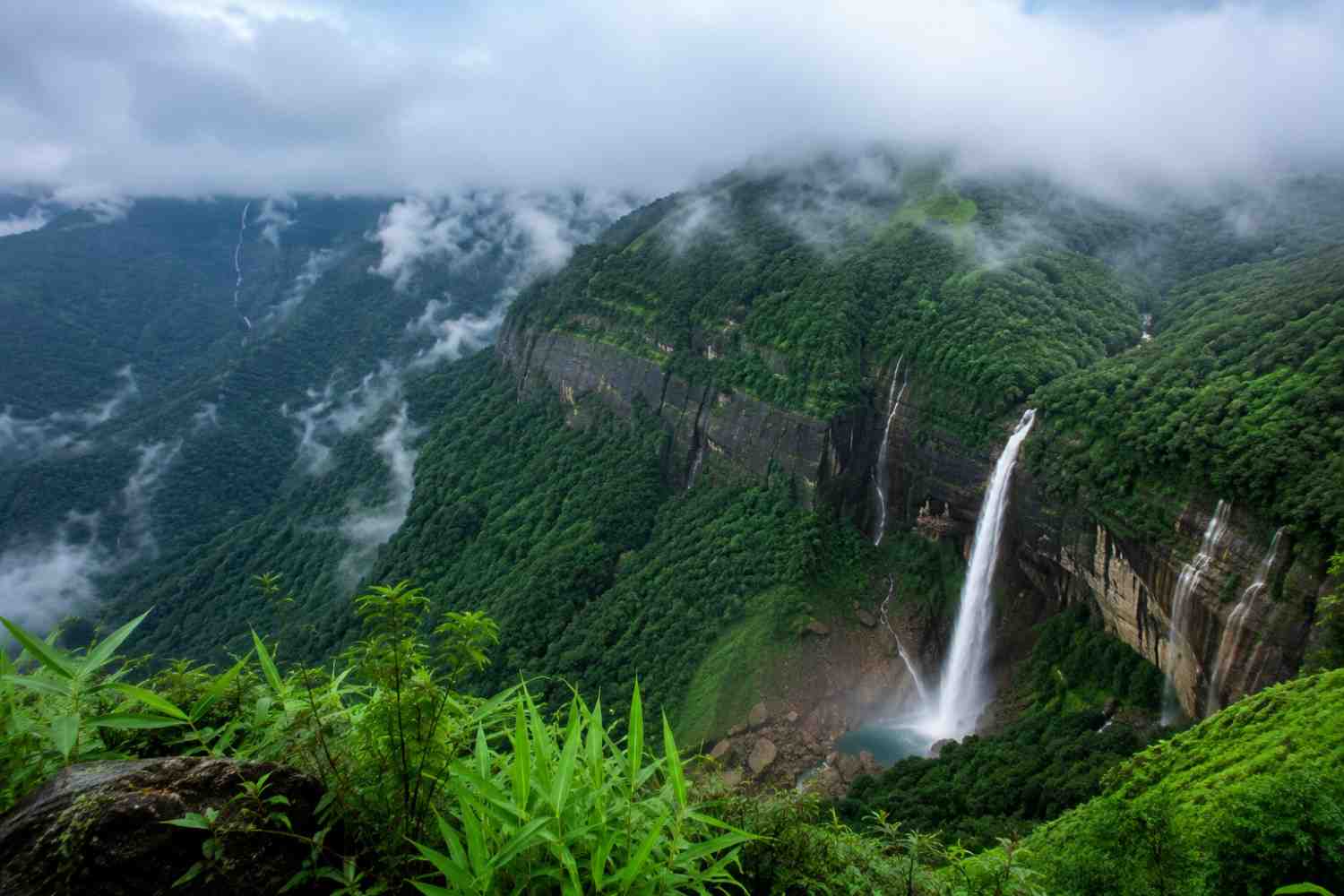
Meghalaya, meaning "abode of clouds," is known for Cherrapunji and Mawsynram's dramatic rainfall, living root bridges, and Shillong's laid-back hill station atmosphere.
Sikkim offers Himalayan scenery on a smaller, more accessible scale — Gangtok as a base, with Kanchenjunga views and monasteries at Lachung and Lachen further north.
Assam is home to Kaziranga National Park, sprawling tea estates, and the Brahmaputra River, along with the cultural hub of Guwahati.
Arunachal Pradesh, including Tawang, offers some of the region's most dramatic high-altitude scenery, centred around one of India's largest Buddhist monasteries.
Given the distances involved, most trips focus on one or two states rather than attempting the whole region in a single visit.
Top Things to Do
Living root bridges, Meghalaya — bridges grown from the roots of rubber fig trees over generations, with the double-decker bridge near Nongriat being the most famous.
Kaziranga National Park safari — jeep or elephant safaris offer strong odds of spotting the one-horned rhinoceros, alongside elephants and, with luck, tigers.
Tawang Monastery — one of the largest Buddhist monasteries in India, set dramatically against the Himalayas in Arunachal Pradesh.
Gangtok and MG Marg, Sikkim — a walkable, pedestrian-only main street, with easy access to viewpoints and monasteries around the city.
Dawki and the Umngot River, Meghalaya — famous for water so clear that boats appear to float in mid-air, best visited in the drier months.
A Few Practical Tips
Several parts of the North East, particularly in Arunachal Pradesh, require an Inner Line Permit (ILP) for both Indian and foreign visitors — this needs to be arranged in advance and is worth building into your planning timeline.
Road travel between destinations can be slow due to mountainous terrain, so it's worth allowing more time than distances on a map might suggest.
Mobile connectivity can be inconsistent in remote areas, particularly in parts of Arunachal Pradesh and rural Meghalaya.
Modest dress is appreciated when visiting monasteries, and photography inside prayer halls is sometimes restricted — it's worth checking locally.
Planning Your Trip
The North East rewards travellers willing to plan a little further ahead, particularly around permits and road logistics, but offers landscapes and experiences genuinely different from the rest of India.
At Mannhit Vacations, our North East holiday packages handle the permit arrangements and logistics, with comfortable stays and well-planned routes across Meghalaya, Sikkim and Assam. Get in touch and we'll help you plan a North East trip without the usual planning headaches.
Ready to plan your trip?
Tell us where you'd like to go and we'll put together a custom holiday package for you.
Customize Your TripMore from the blog