
Vietnam Travel Guide: Everything You Need to Know Before You Go
Vietnam has become one of Asia's most rewarding destinations for travellers who want more than just beaches and temples. It's a country of striking contrasts — the chaotic energy of Hanoi's Old Quarter, the still waters of Ha Long Bay, the terraced hills of Sapa, and the quiet charm of Hoi An's ancient town all sit within a single, relatively compact stretch of coastline.
Here's everything you need to know before you go.
Best Time to Visit Vietnam
Vietnam is long and narrow, which means its weather varies significantly by region at any given time of year. The north (Hanoi, Ha Long Bay, Sapa) is best visited between October and April, when temperatures are cooler and drier. Central Vietnam (Hoi An, Da Nang) is most pleasant from February to May, before the summer humidity sets in. The south (Ho Chi Minh City, Mekong Delta) is warm year-round, with a wet season from May to November.
If your trip covers multiple regions, November to March generally offers the most reliable weather across the whole country, making it the most popular window to visit.
Where to Go
Hanoi is Vietnam's capital and a natural starting point — a mix of French colonial architecture, a chaotic and charming Old Quarter, and some of the country's best street food.
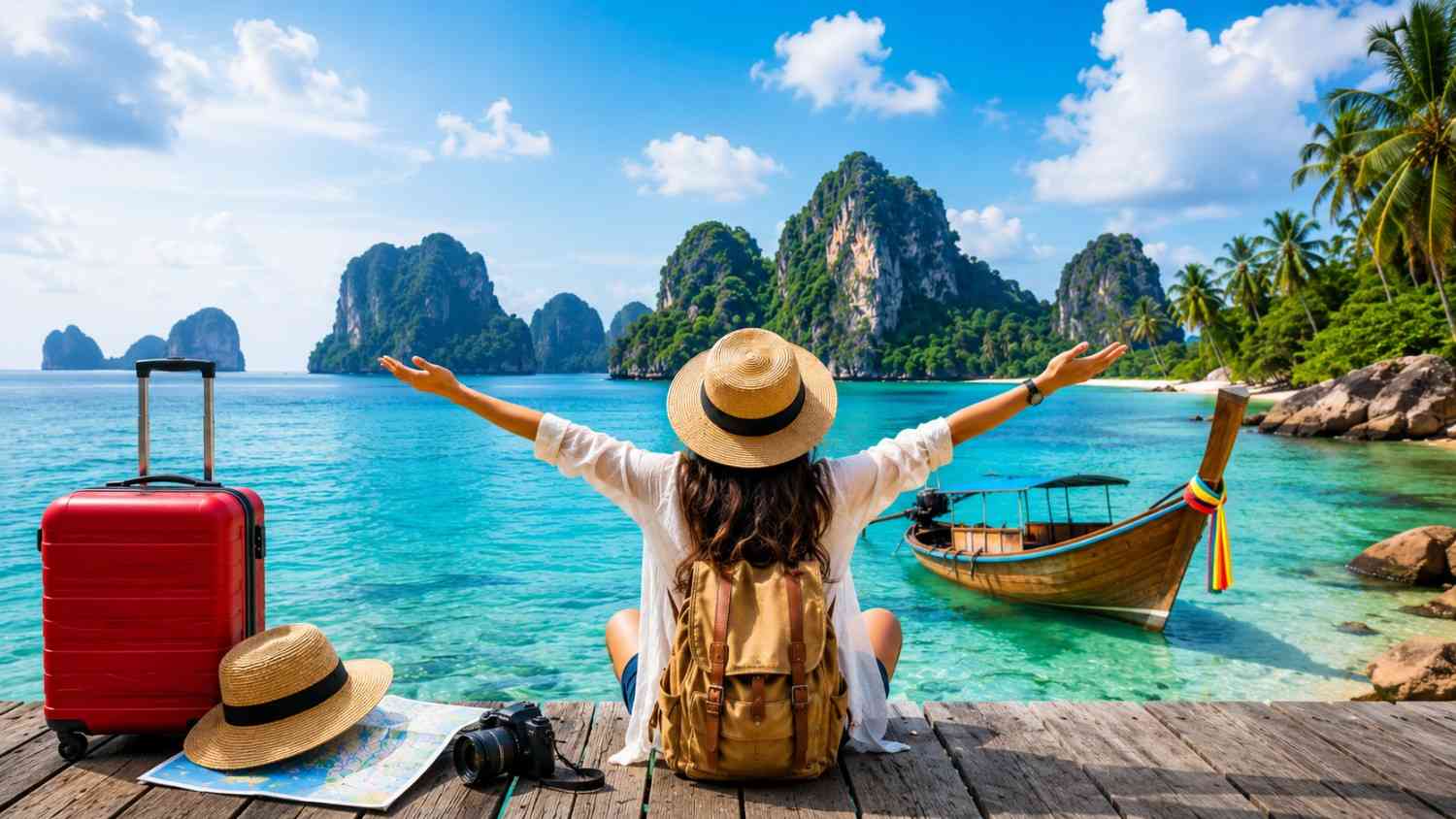
Ha Long Bay, a short drive from Hanoi, is Vietnam's most famous natural landmark — thousands of limestone karsts rising out of emerald water, best experienced on an overnight cruise.
Hoi An is a beautifully preserved ancient trading port, known for its lantern-lit old town, tailor shops and relaxed riverside atmosphere.
Ho Chi Minh City (formerly Saigon) is Vietnam's largest and most modern city, with a fast pace, rich war history and easy access to the Mekong Delta.
Many travellers follow a north-to-south (or south-to-north) route, taking in two or three of these regions over a week to ten days.
Top Things to Do
An overnight Ha Long Bay cruise — the best way to experience the bay is to stay on the water overnight, watching the karsts change colour at sunset and sunrise.
Hoi An's lantern festival evenings — on the 14th of each lunar month, Hoi An's old town switches off electric lights in favour of lanterns, creating one of Vietnam's most photogenic scenes.
Sapa's rice terraces — a trek through the terraced hills of northern Vietnam, often combined with a homestay in a local ethnic minority village.
Cu Chi Tunnels — a half-day trip from Ho Chi Minh City into the underground tunnel network used during the Vietnam War, offering a sobering look at the country's history.
Mekong Delta boat trip — floating markets, fruit orchards and village life along the river, usually visited as a day trip from Ho Chi Minh City.
A Few Practical Tips
Crossing the street in Hanoi or Ho Chi Minh City can be intimidating at first — the local approach is to walk at a slow, steady pace and let the motorbikes flow around you, rather than stopping or running.
Bargaining is expected in markets, though most restaurants, cafes and shops have fixed prices.
Vietnam's tap water isn't safe to drink — bottled water is cheap and available everywhere.
A visa is required for most nationalities visiting Vietnam; check requirements well ahead of your trip, as some visas need to be arranged in advance.
Planning Your Trip
Vietnam rewards travellers who are willing to move around a little — the country's regions are different enough that staying in just one spot means missing a large part of what makes it special.
At Mannhit Vacations, our Vietnam holiday packages are built to cover the highlights across regions, with comfortable hotel stays and curated sightseeing along the way. Get in touch and we'll help you plan a Vietnam trip that fits your pace and interests.
Ready to plan your trip?
Tell us where you'd like to go and we'll put together a custom holiday package for you.
Customize Your TripMore from the blog